
Psoriasis Treatment in Kerrville, TX
What Is Psoriasis?
Psoriasis is a chronic autoimmune skin condition that affects more than 7.5 million people in the United States. It causes red, inflamed patches of skin covered with white or silvery scales that most often appear on the elbows, knees, scalp, and trunk, but can develop anywhere on the body.
The first signs of psoriasis typically appear between the ages of 15 and 35, though children and older adults can also be affected. Once it begins, psoriasis usually cycles through periods of flare-ups and remission throughout a patient’s life.
At Precision Dermatology in Kerrville, TX, our board-certified dermatologist specializes in diagnosing and treating psoriasis with advanced therapies to reduce symptoms, improve comfort, and restore your skin’s health.
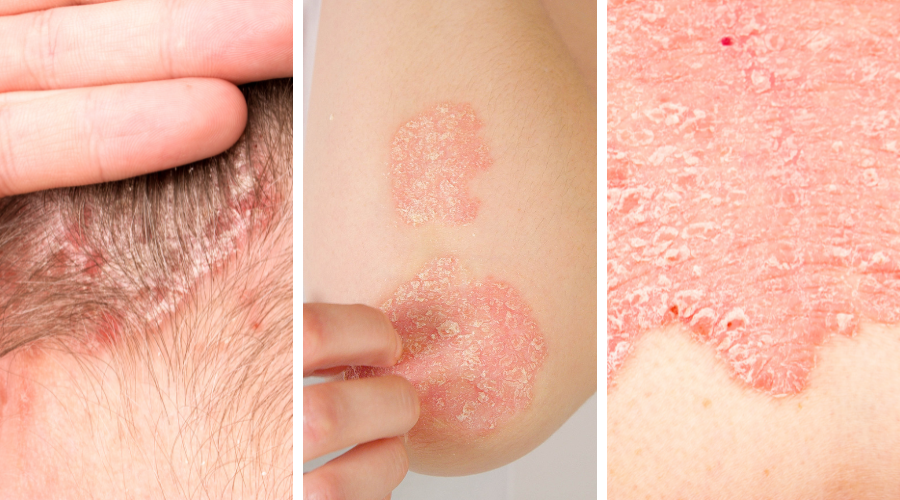
Common Symptoms & Causes of Psoriasis
Psoriasis develops when the immune system speeds up the skin’s natural cell turnover cycle. Instead of shedding every 28 days, new cells build up in just 3–6 days, causing thick, scaly patches that the body cannot shed fast enough.
Common symptoms include:
-
Raised, red skin patches with white, flaky scales
-
Itching, burning, or soreness in affected areas
-
Dry, cracked skin that may bleed
-
Thickened or ridged nails in some cases
-
Flare-ups triggered by stress, weather, infections, or injuries
Psoriasis is a genetic condition that tends to run in families, but it is not contagious. While there is no cure, dermatologists can create personalized treatment plans to help patients manage flare-ups and keep their skin comfortable and healthy.
Types of Psoriasis
There are five main types of psoriasis, each with its own appearance and triggers. At Precision Dermatology in Kerrville, TX, our dermatologists diagnose the type you have and design a personalized treatment plan to control symptoms and flare-ups.
Plaque Psoriasis (Psoriasis Vulgaris)
-
The most common form, affecting about 80% of patients.
-
Appears as raised, red patches with thick, silvery-white scales.
-
Often found on the elbows, knees, scalp, and lower back.
Guttate Psoriasis
-
Appears as small, red, dot-like spots, usually on the trunk or limbs.
-
Common in children and young adults, often triggered by strep throat or other infections.
-
Can appear suddenly after illness or stress.
Inverse Psoriasis
-
Found in skin folds (armpits, groin, under breasts, around buttocks and genitals).
-
Appears as smooth, shiny, bright red lesions without the scaling seen in plaque psoriasis.
-
Often worsens with friction, heat, or sweating.
Pustular Psoriasis
-
Characterized by white pustules (blisters of non-infectious pus) on red, inflamed skin.
-
Can affect small areas, such as the hands and feet, or cover larger areas of the body.
-
Triggers include medications, stress, infections, or overexposure to UV light.
Erythrodermic Psoriasis
-
A rare but severe form that causes widespread fiery red skin and large sheets of shedding scales.
-
May cause severe itching, pain, and swelling.
-
Can be triggered by sunburn, medication withdrawal, or infection.
-
Requires immediate medical attention.

Psoriasis Treatment Options
While there is no cure for psoriasis, the right treatment can help reduce flare-ups, control symptoms, and improve quality of life. At Precision Dermatology in Kerrville, TX, our dermatologists create personalized treatment plans based on the type and severity of psoriasis you have.
Mild to Moderate Psoriasis
For patients with psoriasis affecting less than 10% of the body, treatment often includes:
-
Prescription Topical Medications – such as corticosteroid creams, vitamin D analogs, or non-steroidal anti-inflammatory ointments that slow skin cell growth and reduce inflammation.
-
Moisturizers & Soothing Creams – to keep skin hydrated, reduce itching, and protect against cracking.
-
Anti-Itch Solutions – such as calamine lotion, oatmeal baths, or hydrocortisone creams.
-
Light Therapy (PDT Photodynamic Therapy) – controlled exposure to UVB light can slow skin cell turnover and ease symptoms.
Moderate to Severe Psoriasis
If psoriasis covers more than 10% of the body or does not respond to topical therapy, more advanced options may be recommended:
-
Oral Medications – including methotrexate, cyclosporine, or acitretin, which help suppress the immune system.
-
Biologic Injections – targeted therapies that block overactive immune responses, used for patients with severe or resistant psoriasis.
-
Advanced Light Therapy (PUVA) – combines UVA light with a photosensitizing medication (psoralen) for improved results.
At Precision Dermatology, we provide compassionate, advanced care for patients living with psoriasis. Whether your symptoms are mild or severe, our dermatologist offers proven treatments to reduce flare-ups, improve skin health, and restore confidence.
